

Tags:
Francesca Woodman
On the occasion of “Francesca Woodman: Alternate Stories,” Marian Goodman Gallery commissioned eight video vignettes by an array of art historians, curators, and artists, each whom brought their own perspective to Woodman’s work and the exhibition currently on view. In this video, Rosalind Krauss, art critic and theorist and Columbia University professor, discusses her initial responses to Woodman’s photographs when co-curating the retrospective exhibition at Hunter and Wellesley Colleges in 1986. She advocates for the formal power and intelligence of Woodman’s work, then and still today.
Read More
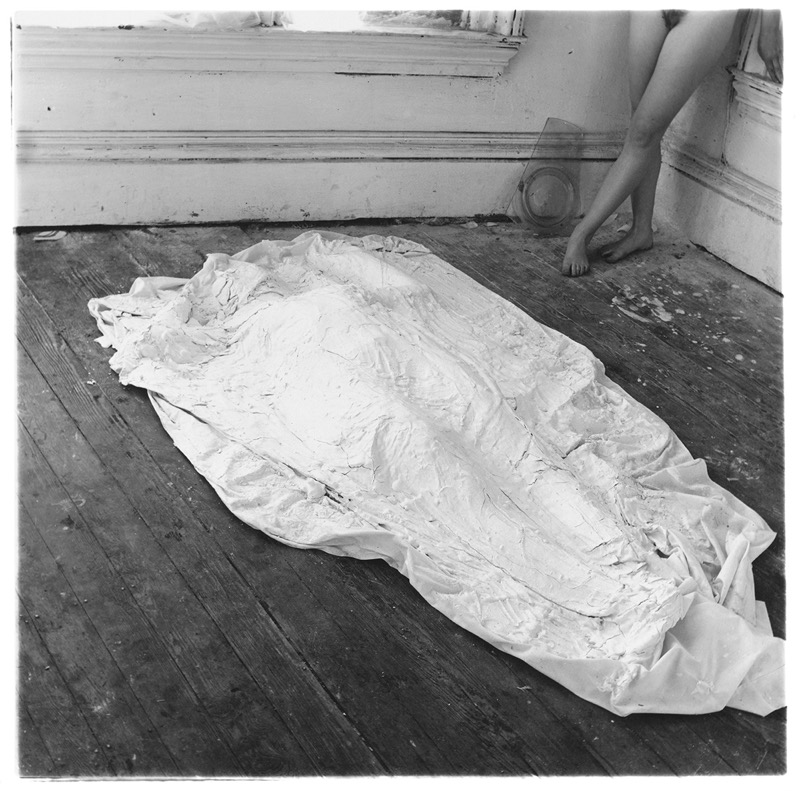

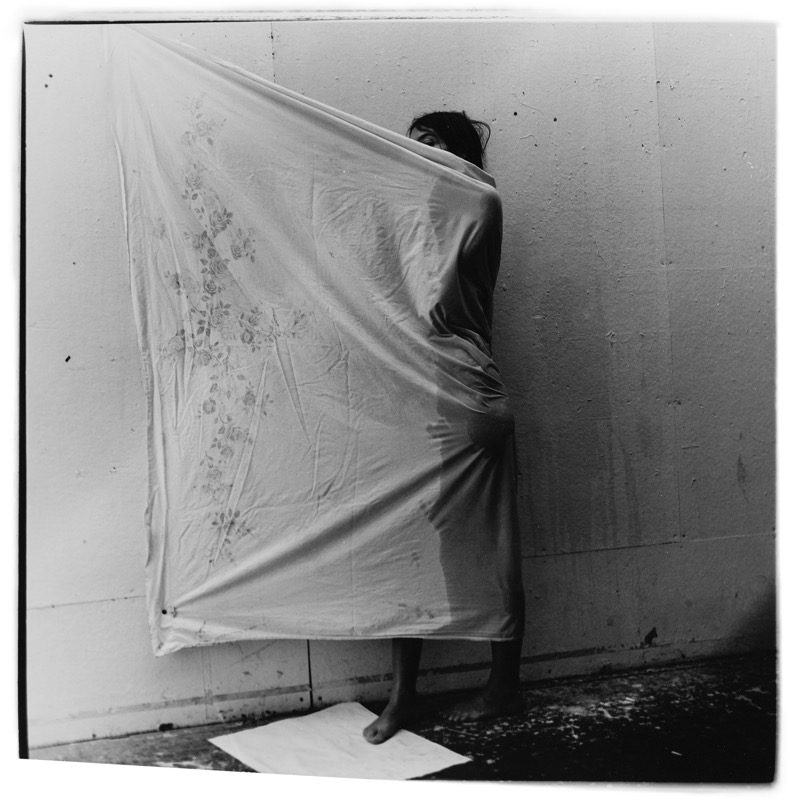


Francesca Woodman’s engagement with the figure was not only connected to re-interpretations of classical art, but also reflective of the art of her time. In the 1970s—when Woodman made much of her work as a student at the Rhode Island School of Design—artists from Hannah Wilke to Bruce Nauman were concerned with representations of the body and self, stemming from wide-ranging concerns about its relationship to cultural and physical space. Here Woodman uses the shroud—as plaster cast or embroidered sheet—in two series’ of images to alternately hide and reveal the figure’s form, in both sculptural and performative ways.
Read More
On the occasion of “Francesca Woodman: Alternate Stories,” Marian Goodman Gallery commissioned eight video vignettes by an array of art historians, curators, and artists, each whom brought their own perspective to Woodman’s work and the exhibition currently on view. In this video, Sabina Mirri, Italian artist and close friend of Woodman, shares her memories and impressions of Woodman as a singular, compelling young woman and artist during her time in Rome.
Read More


Francesca Woodman’s contact sheets are revealing about her process, demonstrating ways that ideas took shape as she explored and realized them while printing. Each contact sheet has at least a half a dozen frames trying to work out what the right composition should be for a particular photograph. Here she experiments with a variety of compositions and poses, concerned with juxtaposing various patterns, fabrics and the body.
Read More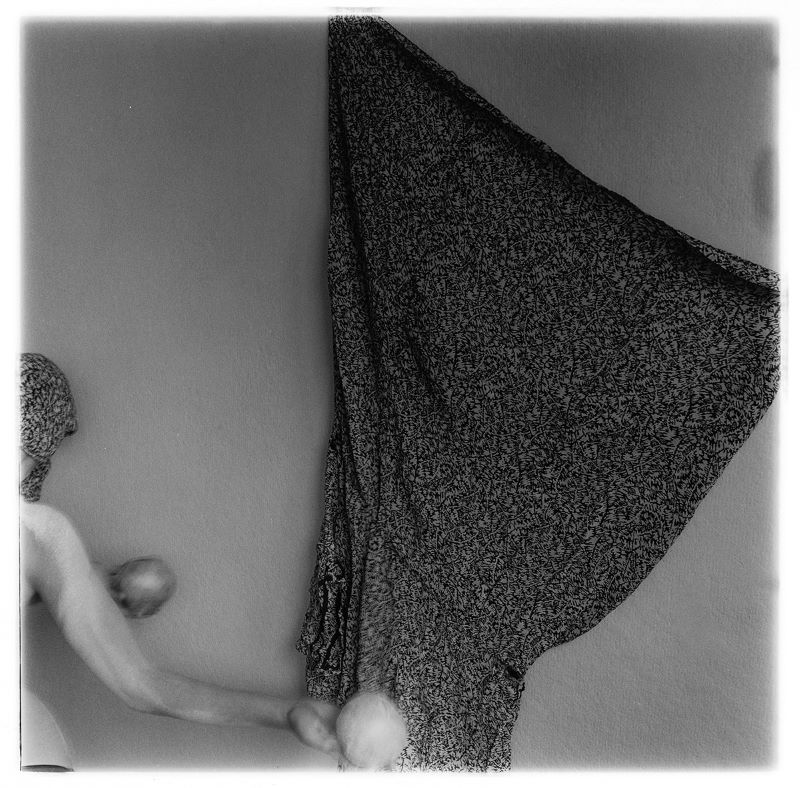
On the occasion of “Francesca Woodman: Alternate Stories,” Marian Goodman Gallery commissioned eight video vignettes by an array of art historians, curators, and artists, each whom brought their own perspective to Woodman’s work and the exhibition currently on view. In this video, Isolde Brielmaier, Deputy Director of the New Museum and the Curator-at-Large at the International Center of Photography (ICP) in New York, shares her thoughts on Woodman’s use of the body and the nude in her highly crafted photographs.
Read More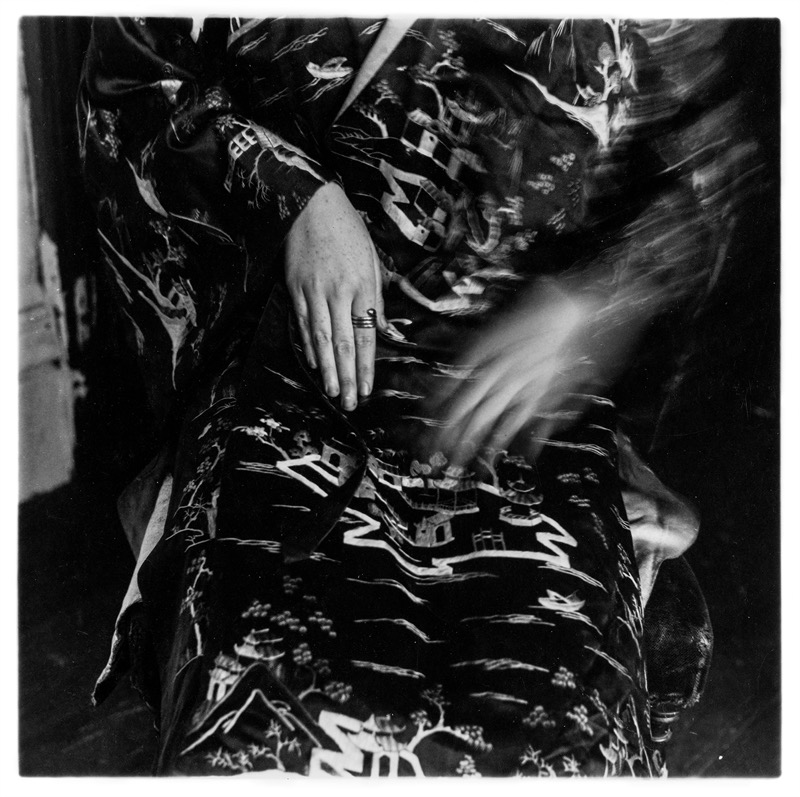


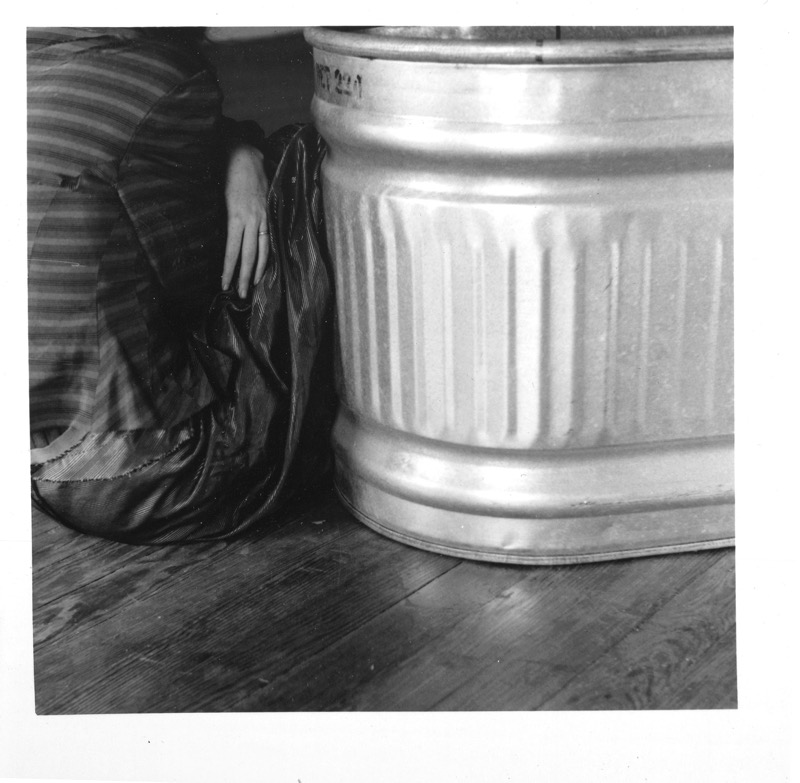
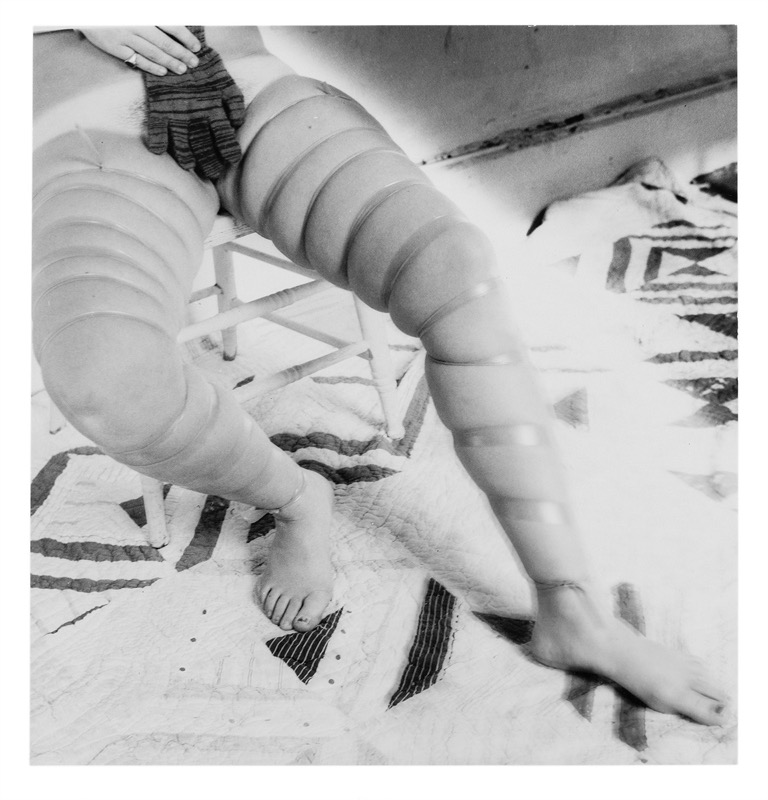
Francesca Woodman was well-acquainted with the traditions of Classical Western art and representations of the figure within it, which seeped into her own picture-making. While perhaps better-known for her photographs of the full female body—she specified that she used nudes “in an ironic sense like classical painting nudes"—Woodman returned again and again to highly composed glimpses of hands and feet.
Read More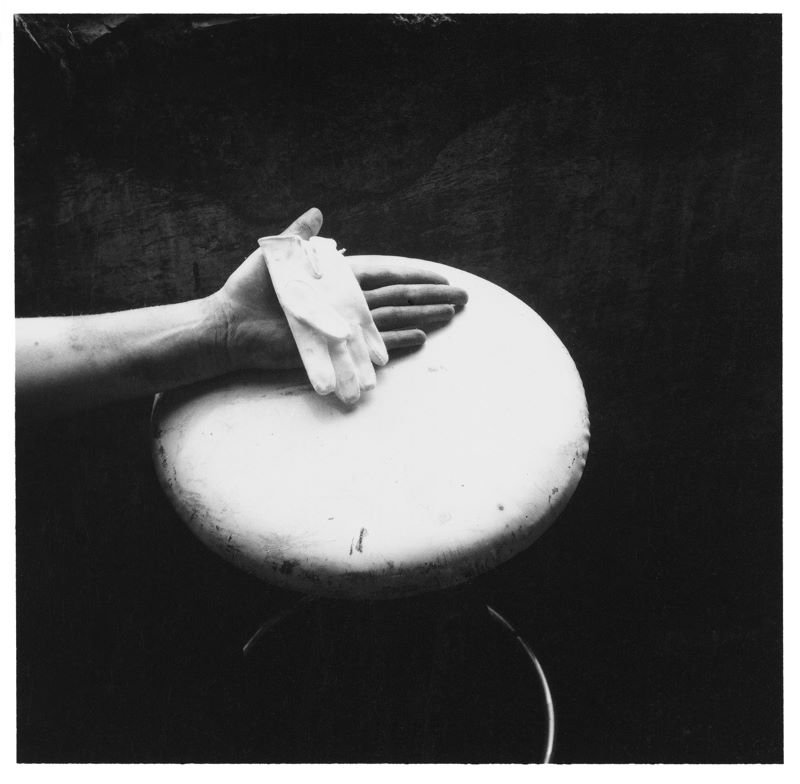
On the occasion of “Francesca Woodman: Alternate Stories,” Marian Goodman Gallery commissioned eight video vignettes by an array of art historians, curators, and artists, each whom brought their own perspective to Woodman’s work and the exhibition currently on view. In this video, Ann Gabhart, Woodman Family Foundation Board member, former Director of the Wellesley College Museum, and curator of Woodman’s first solo museum exhibition at Wellesley and Hunter Colleges in 1986, reflects on her early experiences with and impressions of Woodman’s work.
Read More

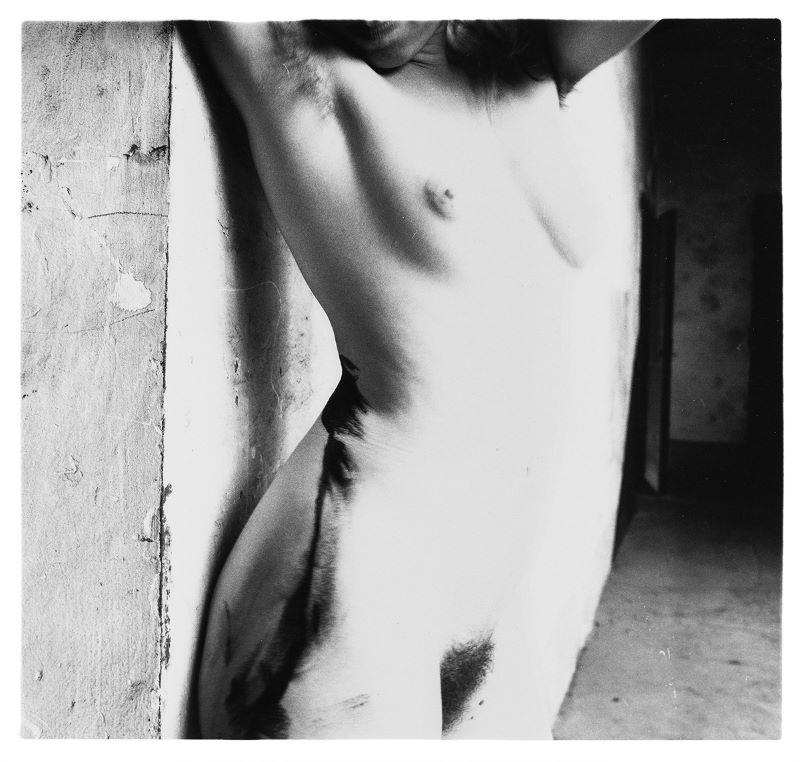


"While I was in Rome my Junior year I began to work with the ideas that presently occupy me,” Francesca Woodman wrote in 1980. “I also met a number of Italian artists who shared similar concerns in other mediums. In June we had a show at the Ugo Ferranti Gallery, my first exhibition in a prestigious gallery. That year I also showed at the Libreria Maldoror, a book store and gallery specializing in Futurist and Dada Literature. The owners introduced me to many rare books and writers, ets.”
Read More


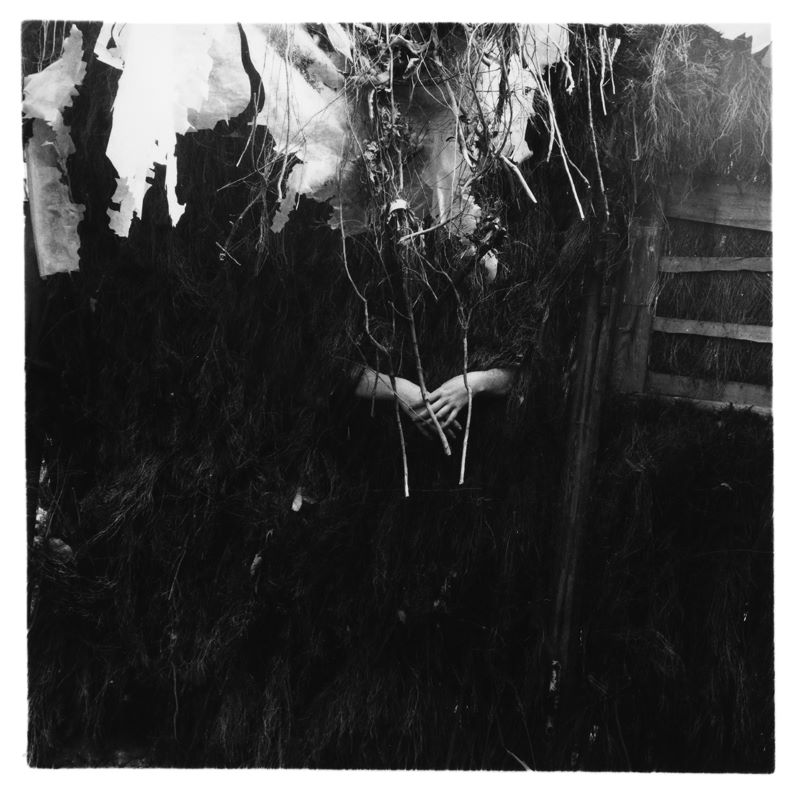

Francesca Woodman was deliberate about the photographs she made, frequently sketching in her journal and jotting down notes about her concepts and intentions. Here you can see the evolution of some specific “Ideas in Antella:” first as simple drawings, then translated from photographic negatives to a contact sheet, and finally as the pair of lush and mysterious gelatin silver prints now on view at Marian Goodman Gallery New York.
Read More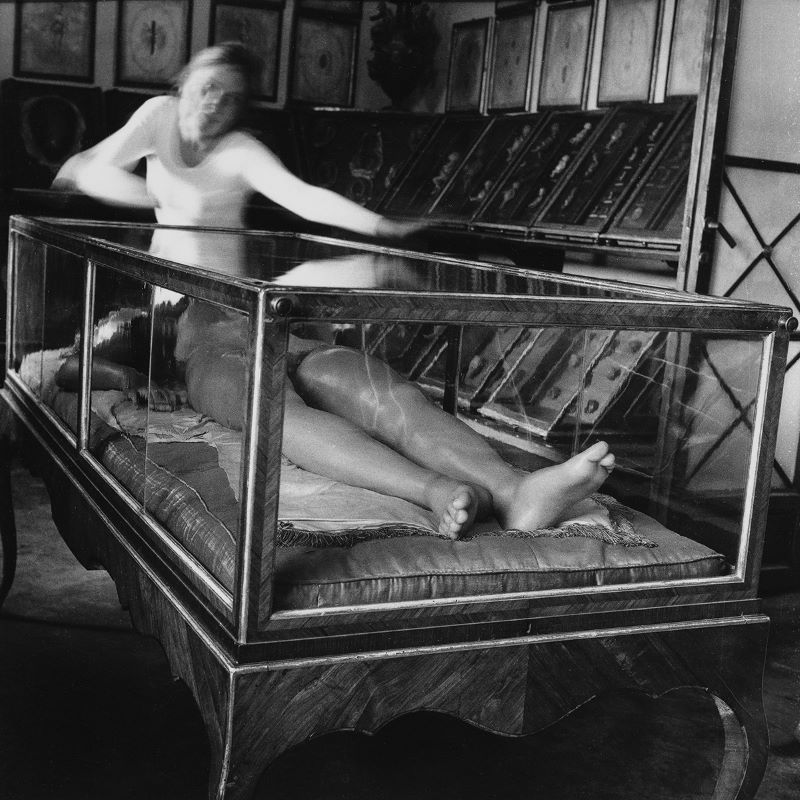

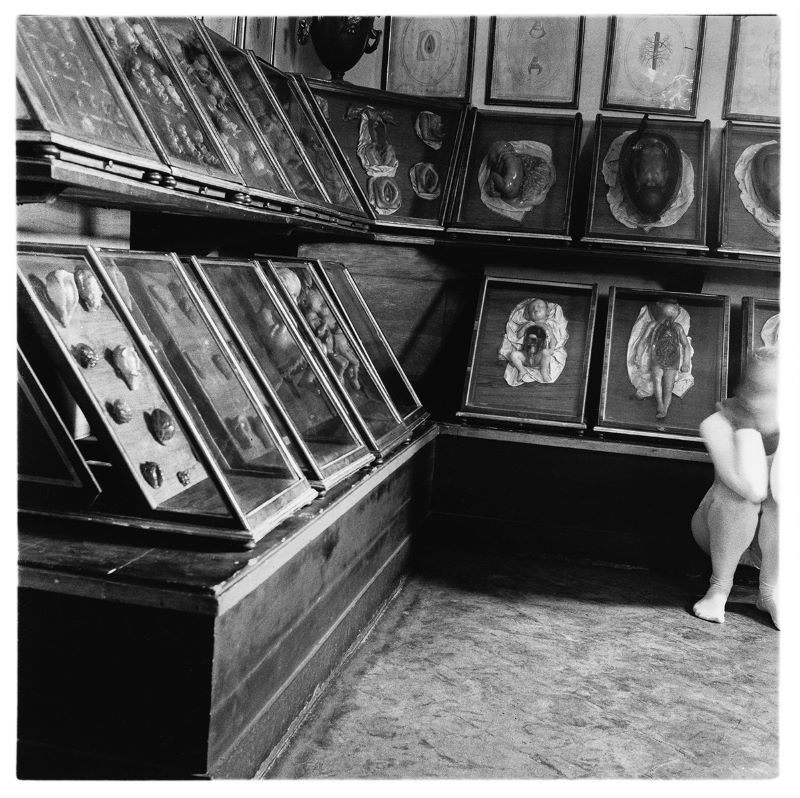


Over the course of Francesca Woodman's solo exhibition "Francesca Woodman: Alternate Stories" at Marian Goodman Gallery New York, we’ll be sharing additional images and materials from Woodman’s archive which shed light on her process and elaborate on specific works currently on view.
Read More


This solo exhibition of vintage photographs by Francesca Woodman includes more than twenty previously unseen works and draws on the artist's writings about her practice in newly available archival material from the Foundation's holdings. The show presents thematic threads and groupings of images in relational contexts, offering a fresh perspective on Woodman's work.
Read More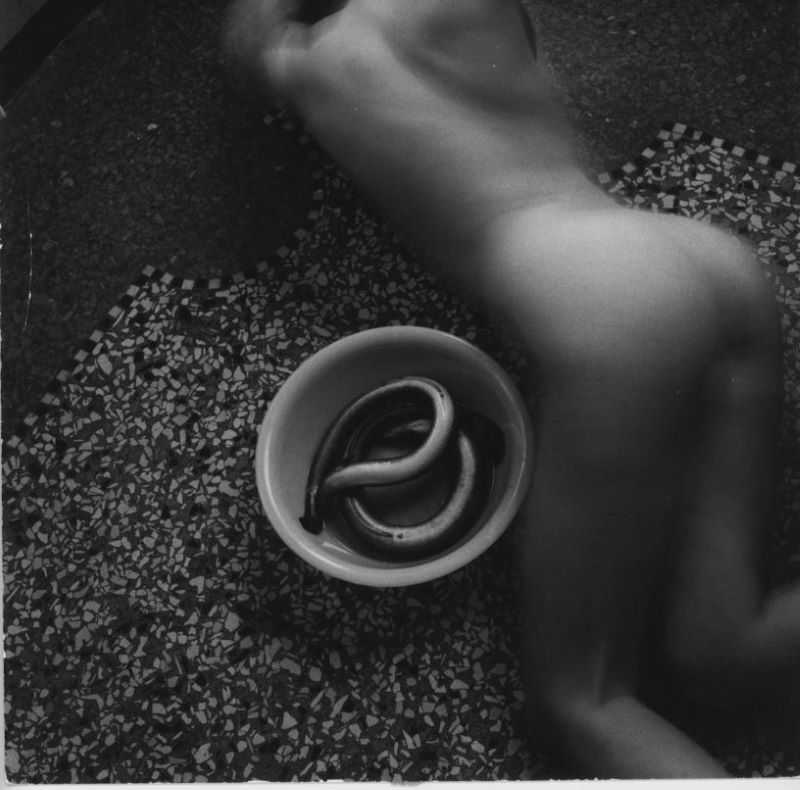
This ambitious survey of recent feminist practices in contemporary art begins with Lucy Lippard’s observation that feminist art is “a value system, a revolutionary strategy, a way of life.” While the majority of works on view were made in the first two decades of this century, highlighting the wide-ranging concerns and multiple perspectives of contemporary artists, influential works made by artists of earlier generations are also featured, including three photographs by Francesca Woodman.
Read More