

News
Tags:
Studio Institute
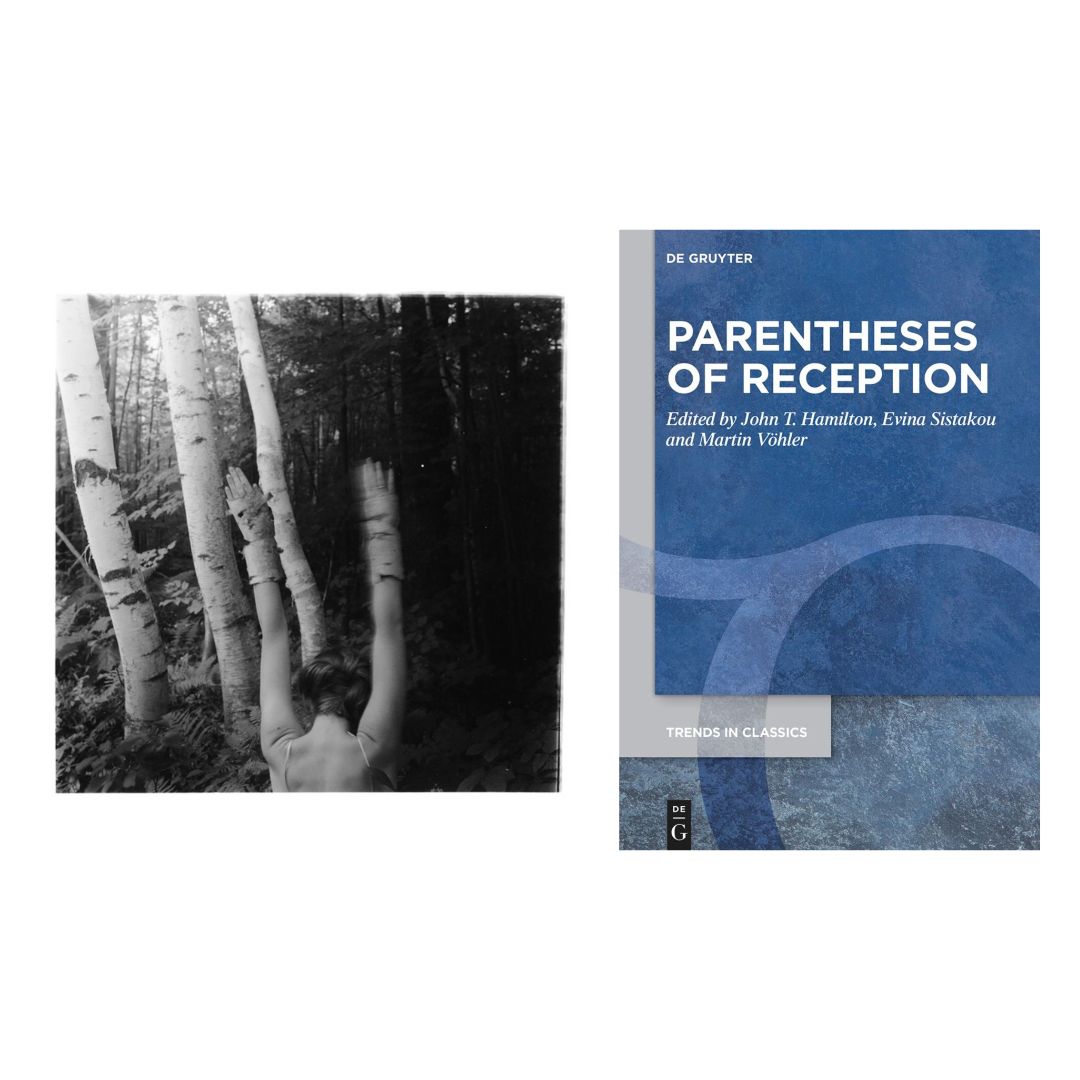
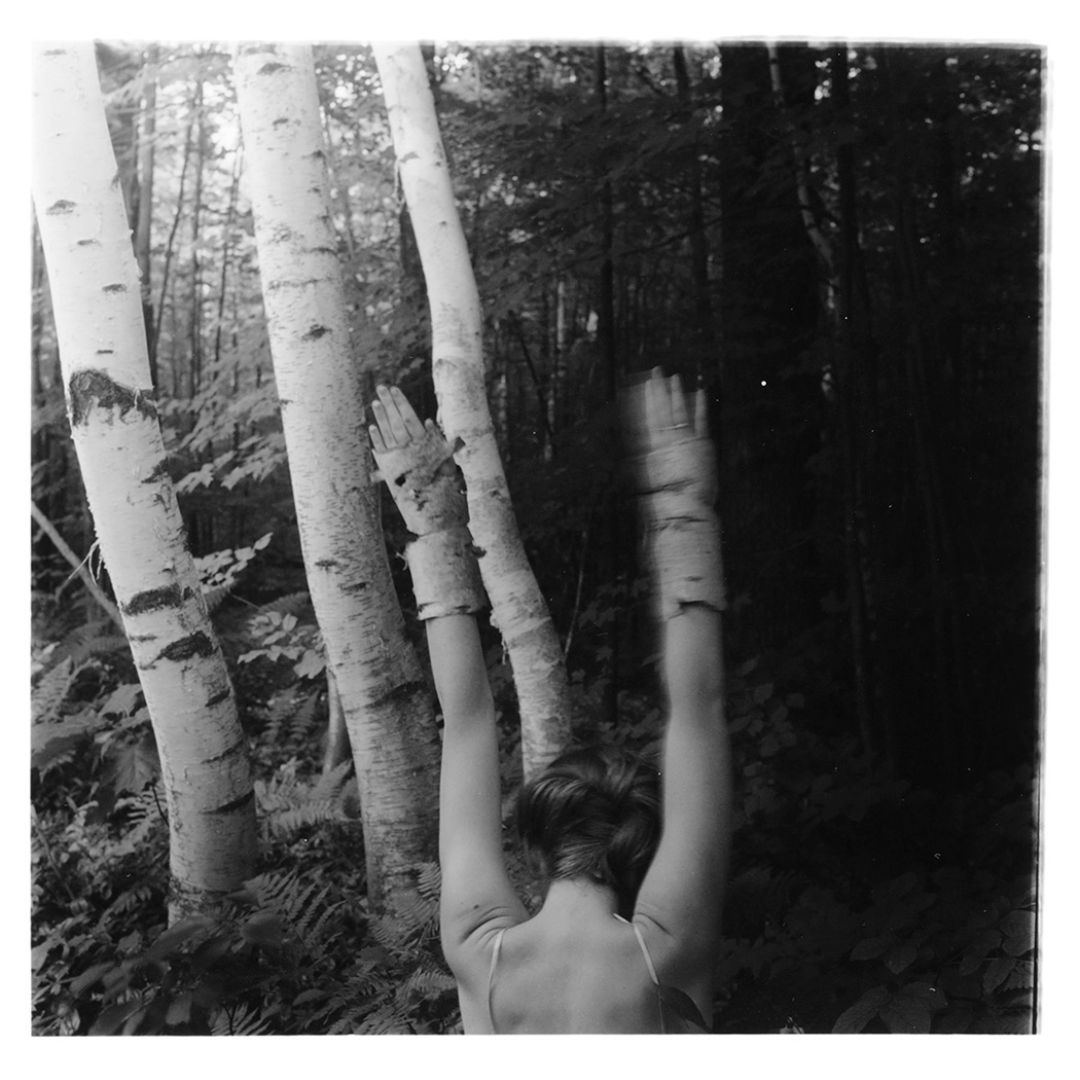
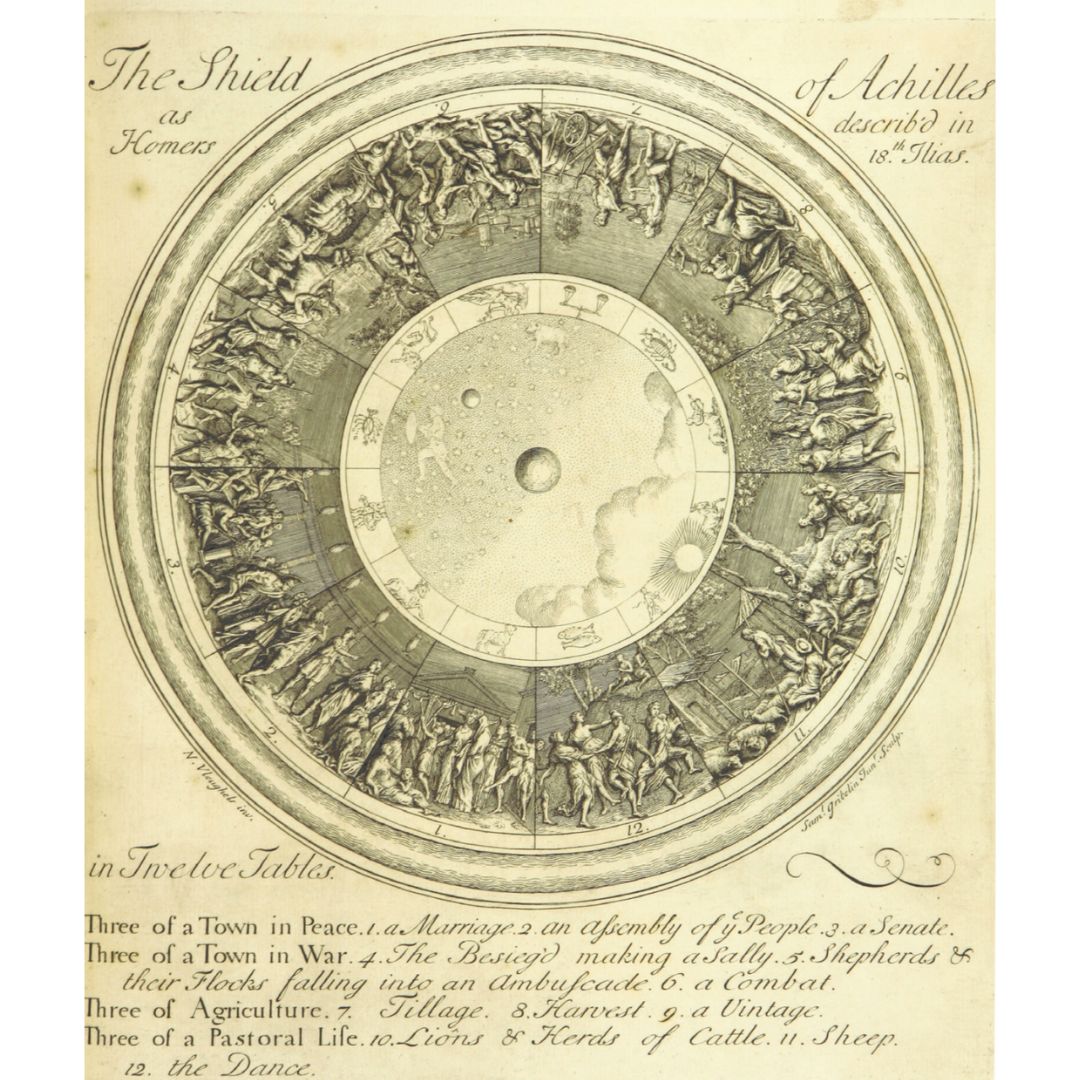
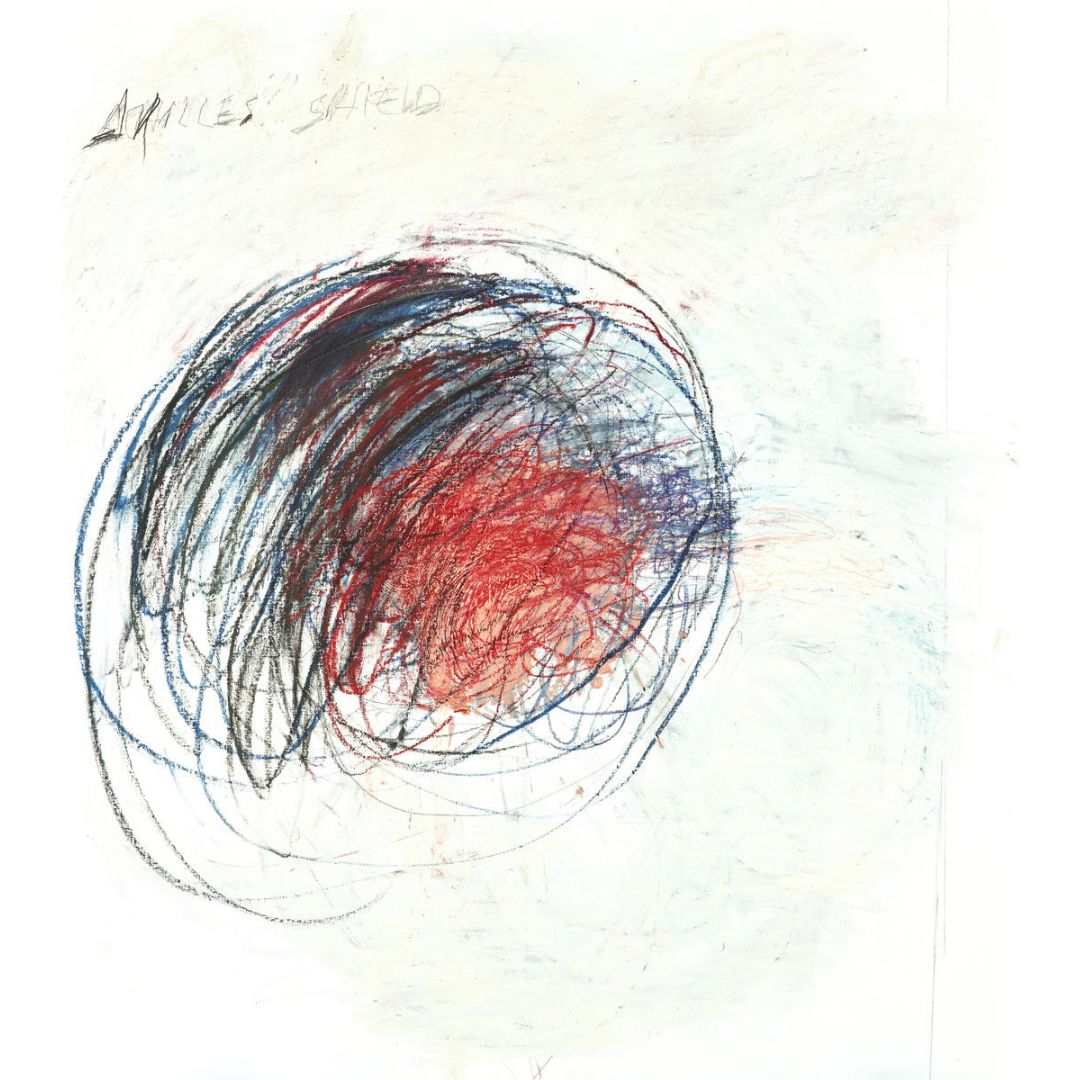
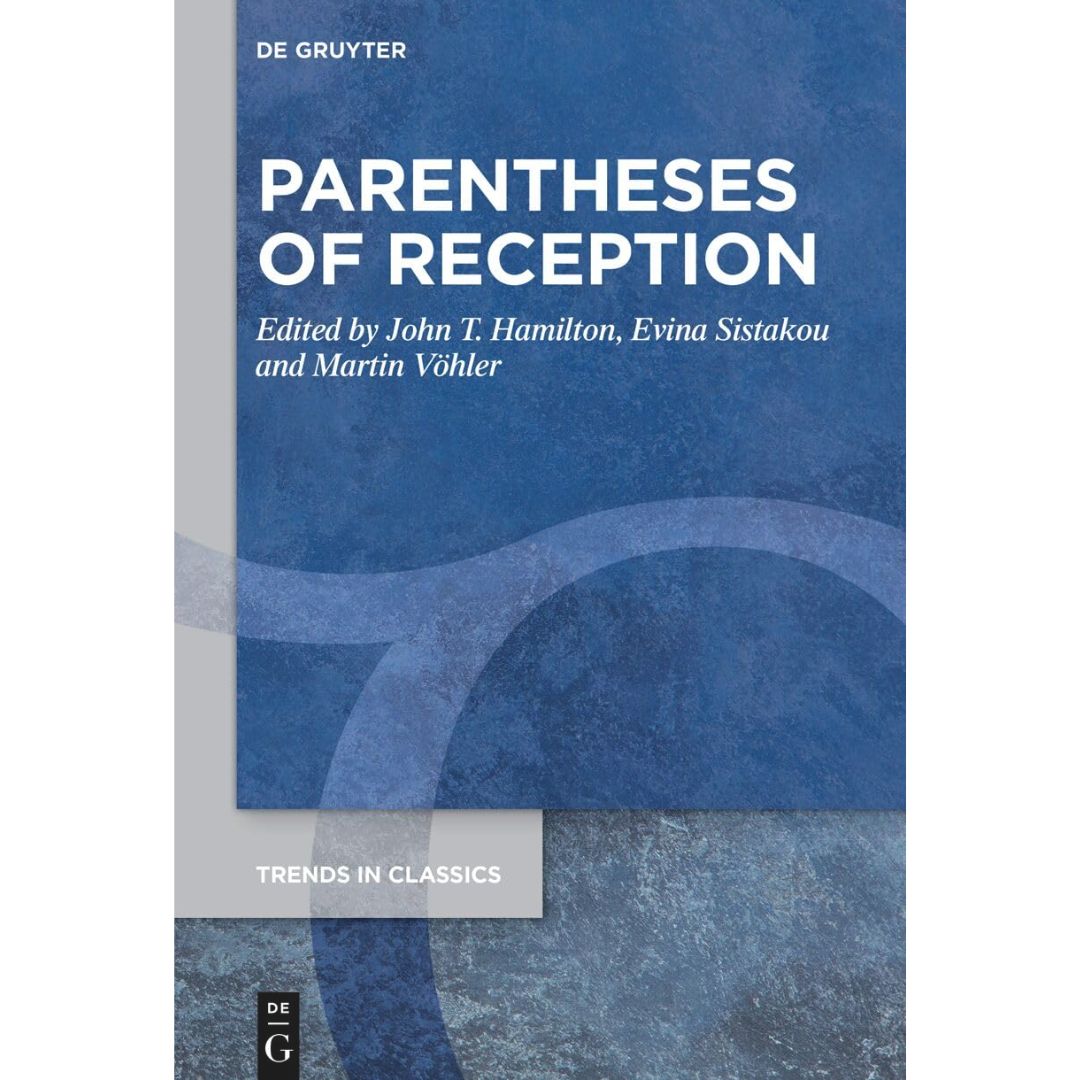
L to R: 1: Francesca Woodman, “Untitled,” 1980, Gelatin silver print, 4 1/2 x 4 1/2 in. | 2: Gian Lorenzo Bernini, “Apollo and Daphne,” 1622–1625, Galleria Borghese, Rome | 3: Francesca Woodman, “Untitled,” 1980, Gelatin silver print, 3 15/16 x 4 in. | 4: Francesca Woodman, “Untitled,” 1980, Gelatin silver print, 10 5/8 x 13 1/2 in. | - 5: Alexander Pope’s sketch of the shield of Achilles. MS 4808 © The British Library | 6: Cy Twombly, “Fifty Days at Iliam: Shield of Achilles,” 1978 © Cy Twombly Foundation | 7: Cover of Parentheses of Reception. All Francesca Woodman artworks © Woodman Family Foundation / BILDKUNST, Bonn
Francesca Woodman, “Untitled,” 1980, Gelatin silver print, 4 1/2 x 4 1/2 in. (11.43 x 11.43 cm) © Woodman Family Foundation / BILDKUNST, Bonn & Cover of Parentheses of Reception
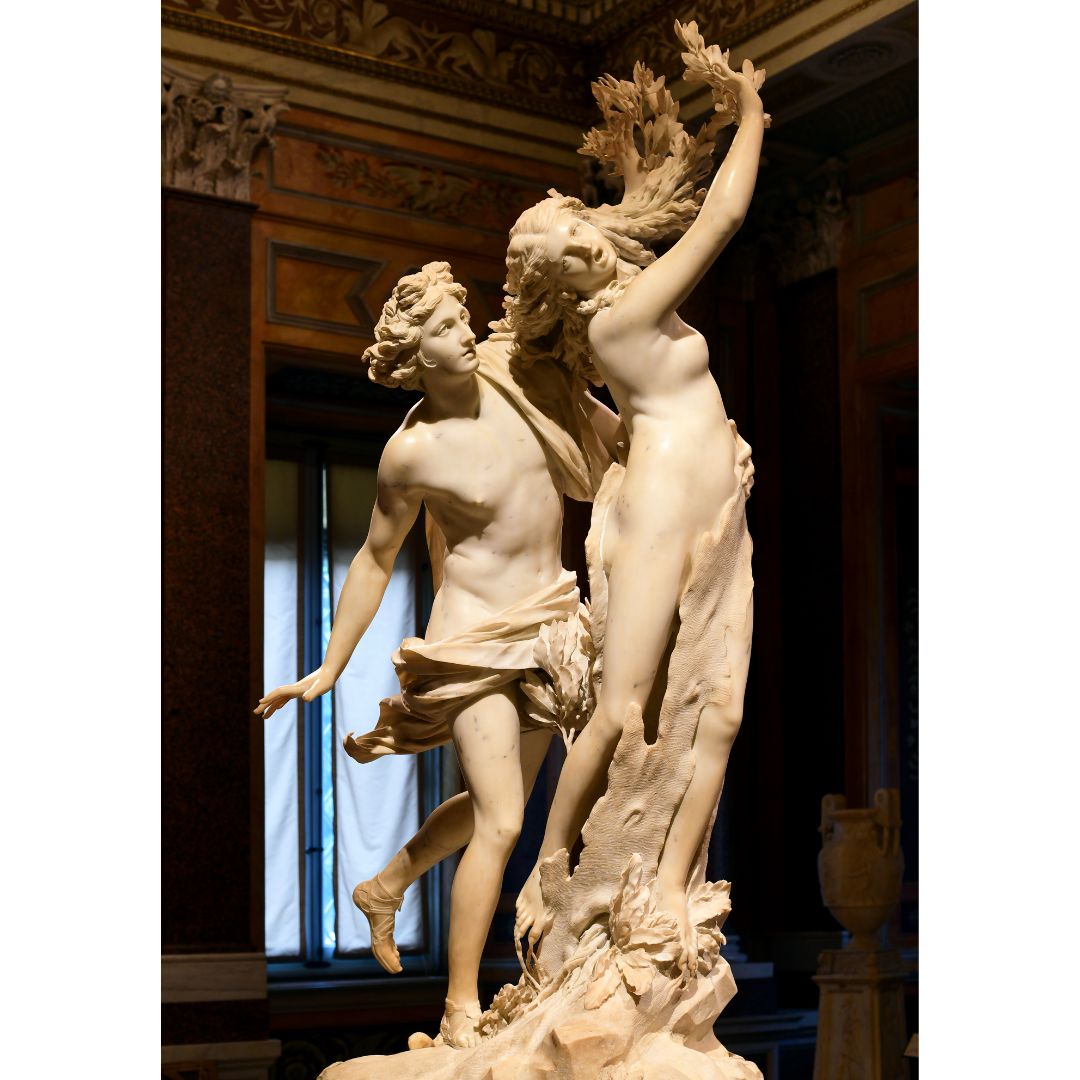

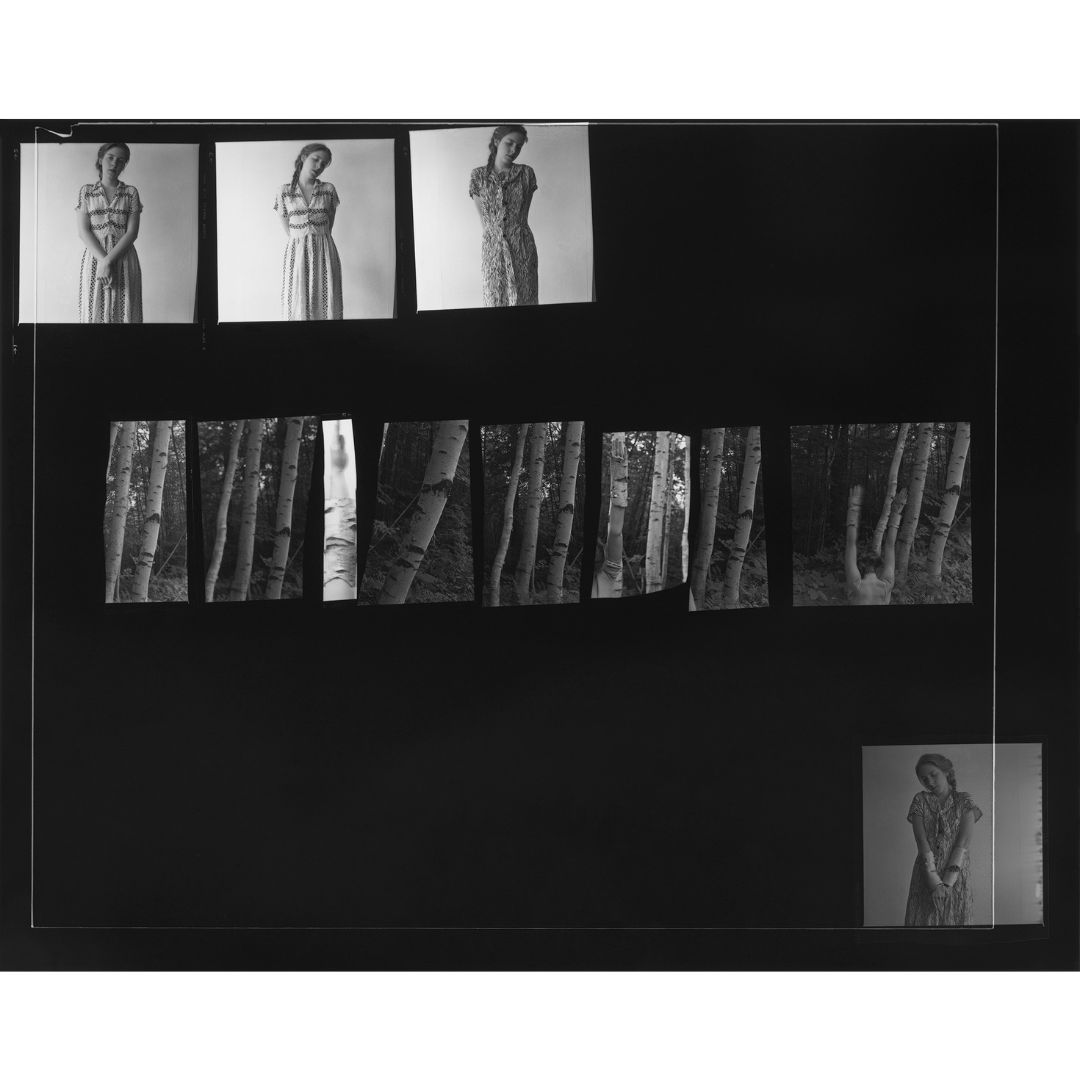
Brooke Holmes on Francesca Woodman in "Parentheses of Reception," 2025
Published in May 2025, the anthology "Parentheses of Reception" explores how the parenthesis, a rhetorical figure of speech and thought, can offer fresh insights into classical reception studies by conceptualizing Greco-Roman antiquity as being both “inserted into” and “remaining apart” from the present.
Read More